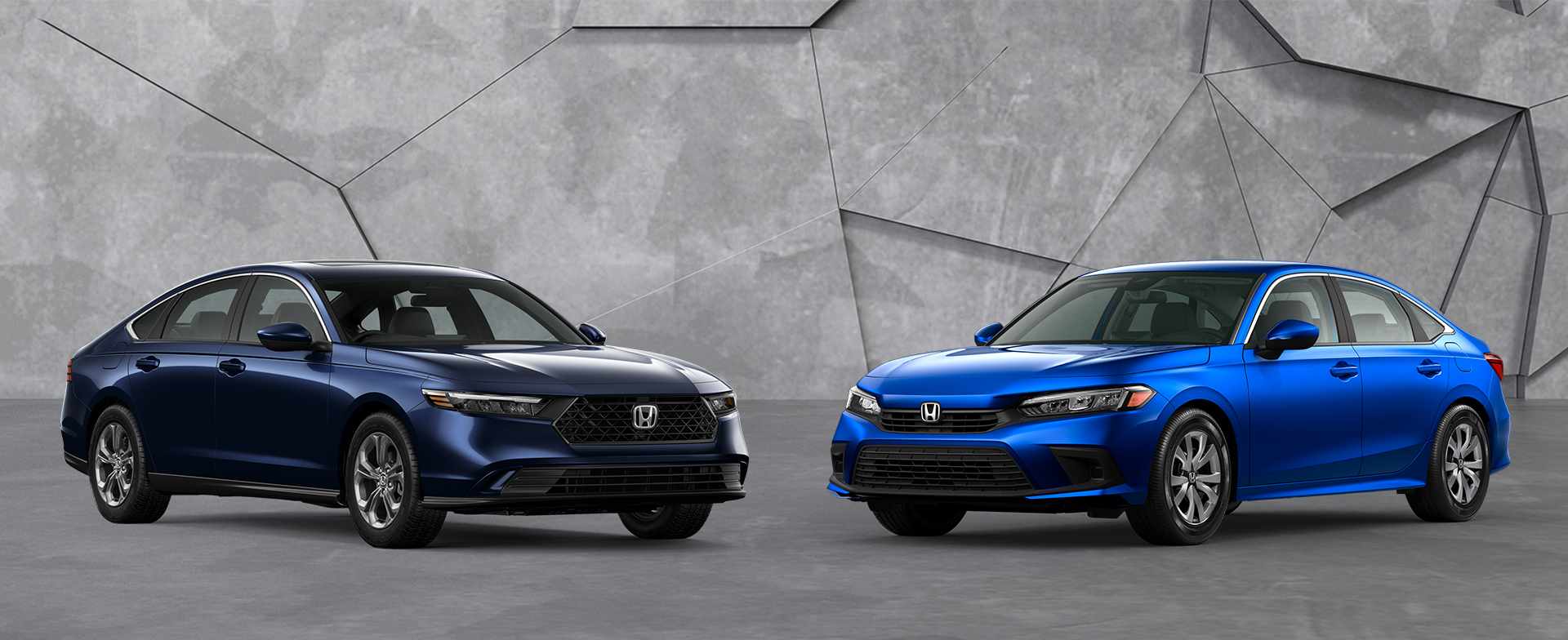
As a Honda Civic or Accord owner in Taiwan, you’re probably aware of the importance of maintaining your vehicle’s performance and efficiency. One critical yet overlooked component is your air filter. In this comprehensive air filter comparison article, Cartech guides you through OEM, aftermarket, and performance air filters, helping you choose the best option for your car, budget, and driving style. Explore the ultimate air filter comparison for Honda Civic and Accord.
OEM vs. Aftermarket vs. Performance Air Filters: What’s the Difference?
1. OEM (Original Equipment Manufacturer) Air Filters
OEM filters, supplied by Honda dealerships or authorized service centers, are specifically designed for your Civic or Accord. They provide:
- Exact fitment: Ensures straightforward installation and reliable performance.
- Reliable quality: Meets Honda’s rigorous specifications for filtration and airflow.
- Warranty-friendly: Using OEM air filters helps maintain your vehicle’s warranty coverage.
2. Aftermarket Air Filters
Aftermarket filters from third-party brands offer attractive pricing and availability. However, quality can vary significantly.
- Affordable: Usually cheaper than OEM.
- Wide variety: Many brands and types are available in Taiwan.
- Quality variation: Some aftermarket products match or even exceed OEM standards, while others may fall short.
3. Performance Air Filters
Performance air filters (brands like K&N, AEM, HKS, and Blitz) are engineered for enthusiasts aiming for increased horsepower, torque, and throttle response.
- Reusable: Often washable and reusable, reducing long-term costs and waste.
- Enhanced airflow: Improves engine breathing, potentially boosting horsepower.
- Higher cost upfront: Typically more expensive initially, but cost-effective over time if properly maintained.
Impact on Fuel Efficiency and Engine Performance
The type of air filter you choose directly affects your Honda’s fuel efficiency and engine performance:
| Filter Type | Fuel Efficiency | Engine Performance |
| OEM | Optimal baseline | Reliable, standard |
| Aftermarket | Varies by brand | Can match OEM if high-quality |
| Performance | Slight improvement | Noticable improvement |
- OEM filters offer reliable, predictable fuel efficiency and performance.
- High-quality aftermarket filters can match OEM filters in terms of performance and efficiency, though cheaper ones may negatively affect both.
- Performance filters usually improve airflow, enhancing throttle response and slightly improving fuel efficiency, especially noticeable during spirited driving or highway scenarios.
Price Comparison of Air Filter Brands Available in Taiwan
Here’s a quick overview of popular air filter options available in Taiwan for your Civic or Accord:
| Brand | Type | Approximate Price (NTD) |
| Honda OEM | OEM | 600 – 1,000 |
| VIC / Bosch | Aftermarket | 350 – 700 |
| K&N Performance | Performance | 2,500 – 3,500 |
| AEM DryFlow | Performance | 2,000 – 3,000 |
| HKS Super Hybrid | Performance | 2,000 – 3,000 |
Cartech.tw Tip: While OEM filters have a lower initial cost, performance filters’ reusable nature provides long-term savings.
Installation Difficulty and Maintenance Requirements
OEM and aftermarket standard filters:
- Easy to install (usually less than 10 minutes).
- Recommended replacement every 10,000 – 15,000 km in Taiwan’s humid and dusty conditions.
Performance filters:
- Installation is slightly more complex if part of a full intake system.
- Regular cleaning and re-oiling (approximately every 25,000 – 40,000 km). Requires additional time and maintenance products.
Taiwan-Specific Environmental Considerations for Filter Selection
Taiwan’s humid subtropical climate and urban areas’ pollution levels necessitate careful air filter selection:
- High humidity and rainfall can lead to moisture and mold accumulation in cheaper aftermarket filters, negatively affecting engine performance.
- Urban air pollution (especially in Taipei, Taichung, and Kaohsiung) means filters clog faster; regular inspections and replacements are crucial.
- Performance filters are particularly advantageous here, as their washable and reusable nature allows regular maintenance to mitigate frequent replacements due to pollution.
Conclusion: Which Air Filter is Right for Your Honda Civic or Accord?
- Practical Owners: OEM or reputable aftermarket filters (e.g., VIC, Bosch) offer reliable, cost-effective performance with minimal hassle.
- Enthusiasts: Performance filters from trusted brands (K&N, AEM, HKS) provide improved throttle response, slight efficiency gains, and long-term savings with proper maintenance.
For more detailed automotive insights and guides specifically tailored for you, keep following the Cartech blog!